
Iturmendi
The name of the spring and the mountain

The name of the spring and the mountain
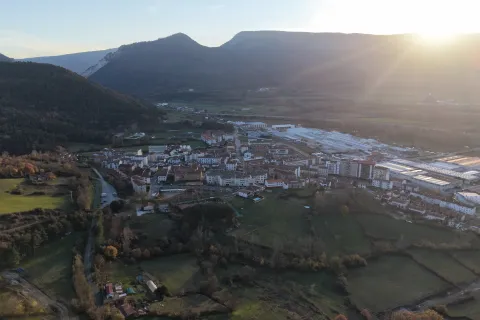
Where the name derives from the spring and the mountain, and the River Arakil flows through the valley, Iturmendi unfolds naturally between the Urbasa and Aralar mountain ranges. The essence of the place is felt in the solidity of its ashlar houses, built by generations of mule drivers, and in the tranquillity of the oak groves that still bear the traces of ancient paths. It is a place where stone preserves stories and water whispers a continuous tale, inviting you to explore it at a leisurely pace and to recognise in every corner the living identity of Sakana.
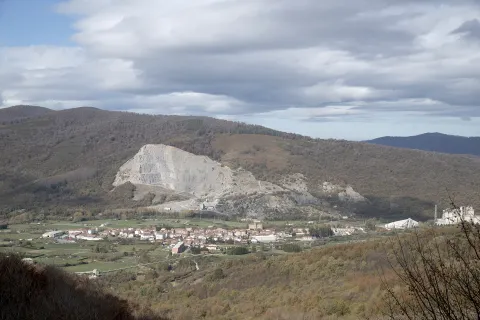
The municipality is situated at an altitude of 528 metres, in north-western Navarre, within the district of Pamplona and the region of La Barranca. Its municipal area stretches between the foothills of Urbasa to the south and Aralar to the north, bordering Bakaiku, Urdiain and Ataun.
Its origins date back to the late 14th century, resulting from the union of the settlements of Aitzaga and San Pedro. During the 18th century, it experienced a period of prosperity linked to mule-driven transport and trade, reflected today in the stately architecture of the town centre. It forms part of the Basque-speaking area, where the Basque language maintains an active presence, particularly amongst the younger generations and in the educational sphere, such as at the Arrano Beltza state school.
Iturmendi offers a range of places where historical heritage, traditional architecture and routes linked to the natural environment come together.

Stone houses and traditional architecture in Iturmendi with a coat of arms on the facade and a garden with a vegetable patch.

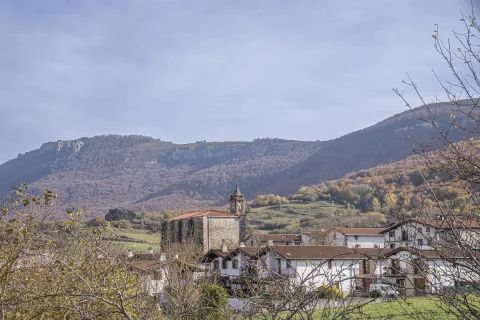
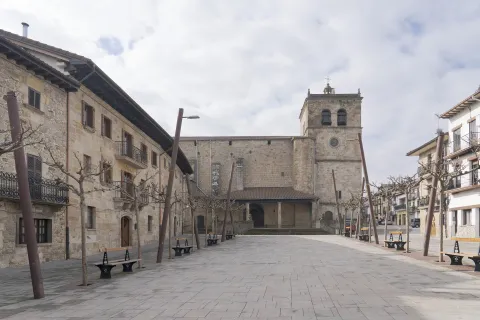
Stone church with a bell tower in Iturmendi, surrounded by traditional houses next to the fronton.

Large stone and white house in Iturmendi with an ashlar facade, aligned windows, and a wrought iron balcony.
Resuelve las dudas más habituales sobre los diferentes parques y zonas naturales: cómo llegar, qué visitar, normas, rutas y servicios para planificar tu experiencia con facilidad.
The current mayor of Iturmendi is Kai Galartza Cervera, from the Herri Elkarlana list, who took office on 16 December 2023.
The main celebrations in Iturmendi are:
Other festivals and pilgrimages are also held throughout the year.
According to the latest census data recorded in 2020, Iturmendi has 411 inhabitants.
Iturmendi is a village and municipality in Navarre. Its name comes from the Basque language: *itturri* (spring) and *mendi* (mountain). Its origins date back to a medieval settlement in the late 14th century, reflecting its long history within the ancient Kingdom of Navarre.
Online
