
Lerga
The landscape speaks in a language of stone and vines

The landscape speaks in a language of stone and vines
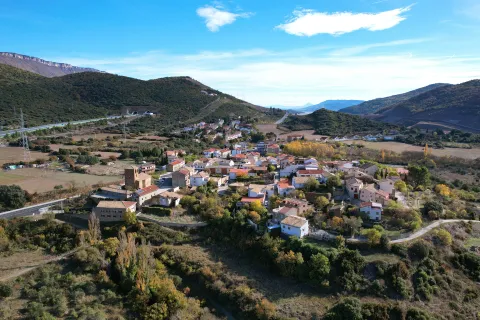
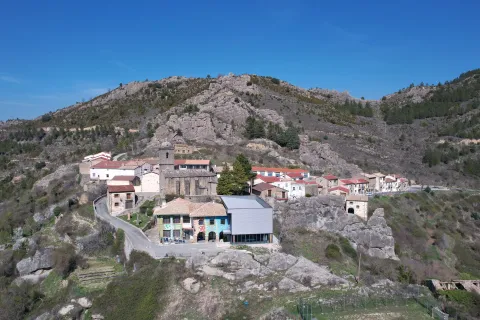
Here, the landscape speaks in a language of stone and vines. The stonework of the Church of San Martín de Lerga rises above the Baja Montaña like a silent testament to medieval spirituality, whilst the vineyards trace a rhythm that sets the pace of life in the village.
The traces of the four castles can still be glimpsed in the contours of the hills and slopes. Their weathered stones whisper tales of vigilance, defence and the passing of generations. The Lerga Stele, with its Aquitanian inscriptions, prolongs that echo, reminding us that the land holds memories even in its silences. For here, time is measured by the ripening of the grapes and the solidity of the walls.
Since June 2017, the village has been part of the Mixed Zone of Navarre, safeguarding an administrative and cultural history reflected in the reputation of its wines, protected by the Baja Montaña sub-appellation. The local identity is built around the care of the vines, the preservation of the stones and the echo of a land that continues to yield fruit and memories to those who inhabit it.
Lerga’s heritage offers a glimpse into the union between medieval faith, ancient archaeology and the legacy of wine culture.

Lerga Square with sandstone houses and traditional Navarrese architecture.

Stone town hall in Lerga with a two-story facade, balconies, and flags on the upper balcony.

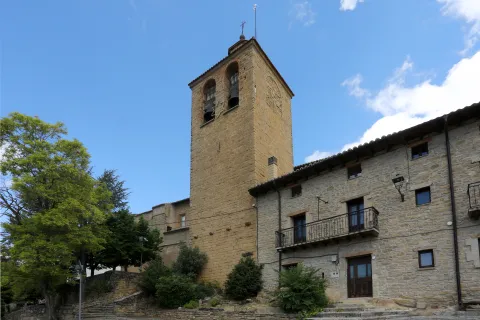
Sandstone church in Lerga with a square tower, portal, and a courtyard surrounded by vegetation.
Resuelve las dudas más habituales sobre los diferentes parques y zonas naturales: cómo llegar, qué visitar, normas, rutas y servicios para planificar tu experiencia con facilidad.
Online
