

Salazar Valley
Among deep beech forests and stone villages
Here, where the river that gives it its name winds its way down through the shade of beech trees and open glades towards the south, time slips by unhurriedly under the watchful gaze of Mount Orhi. The Salazar Valley is home to the deep green of the Irati Forest and the steadfastness of its villages, where stone and wood have learned to withstand the passage of the centuries together. It is a land of calm and contemplation, where the echo of the rafts and the memory of the quiñones still beat in silence, allowing the essence of the mountains to reveal itself undisturbed.
Salazar Valley general information
It is situated in the north-east of Navarre, nestled in the heart of the Pyrenees and characterised by a landscape that slopes from north to south. Its identity is rooted in a landscape bordered to the north by France, to the east by the Roncal Valley and to the west by the Aezkoa Valley . Administratively, it is a traditional historical-administrative entity managed by the General Assembly of the Valley, based in Ezcároz , which serves as its capital.
Its history is rooted in a way of life closely tied to the use of the local environment, ranging from grazing and transhumance to the forestry of its extensive stands of beech and Scots pine. In the valley, divided into nine municipalities, Basque has been the traditional language, with traces of the Salacenco dialect preserved in the memory of its people.
How to get to the Salazar Valley?
The route into the valley mainly follows the course of the river from which it takes its name, starting from the central part of the region.
- Access from the south: The main access route is via the road that passes through the Foz de Arbayún and Navascués, offering a view of the transition to the mountain climate.
- Pyrenean connections: The area is also accessible from the west via the N-140, which connects it to the Aezkoa Valley vi , Jaurrieta and , and from the north via the Larrau Pass on the border with France.
What to do in the Salazar Valley?
Every corner offers an insight into the bond between the land and its inhabitants.
- Exploring the villages: A chance to experience Pyrenean architecture with its cobbled streets and houses bearing coats of arms in villages such as Ochagavía, renowned for its medieval bridge and picture-postcard views.
- Exploring the Irati Forest: From the visitor centre at Casas de Irati, you can set off on various trails that lead into one of the largest beech and fir forests in Europe.
- Snow activities: In winter, the Irati-Abodi mountain centre offers cross-country skiing trails and snowshoe routes in a landscape of great scenic beauty.
- Ascent of Mount Orhi: A mountaineering destination where you can tackle the first ‘two-thousander’ in the western Pyrenees (2,017 m), offering unbeatable views of the surrounding landscape.
- Visit to religious heritage: Experience the simplicity of the Sanctuary of Our Lady of Muskilda, a 12th-century Romanesque chapel situated over a thousand metres above sea level above Ochagavía.
- Traditional cuisine: Daily life is reflected on the table through local produce, with dishes such as shepherd’s migas, Navarre veal with PDO, trout with ham and seasonal mushrooms.
Información sobre: Salazar Valley
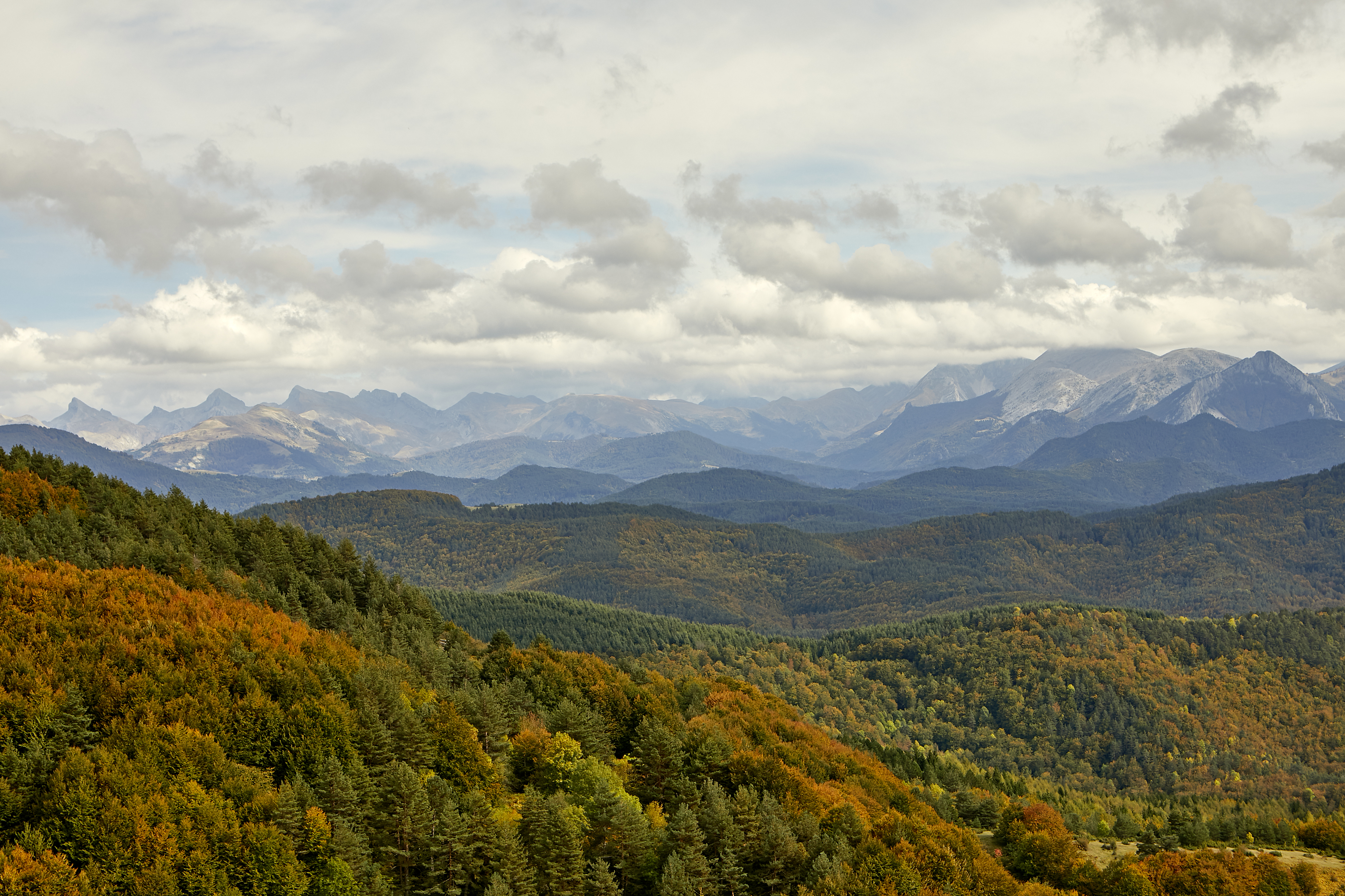
Valle de Salazar | Vista desde Abodi
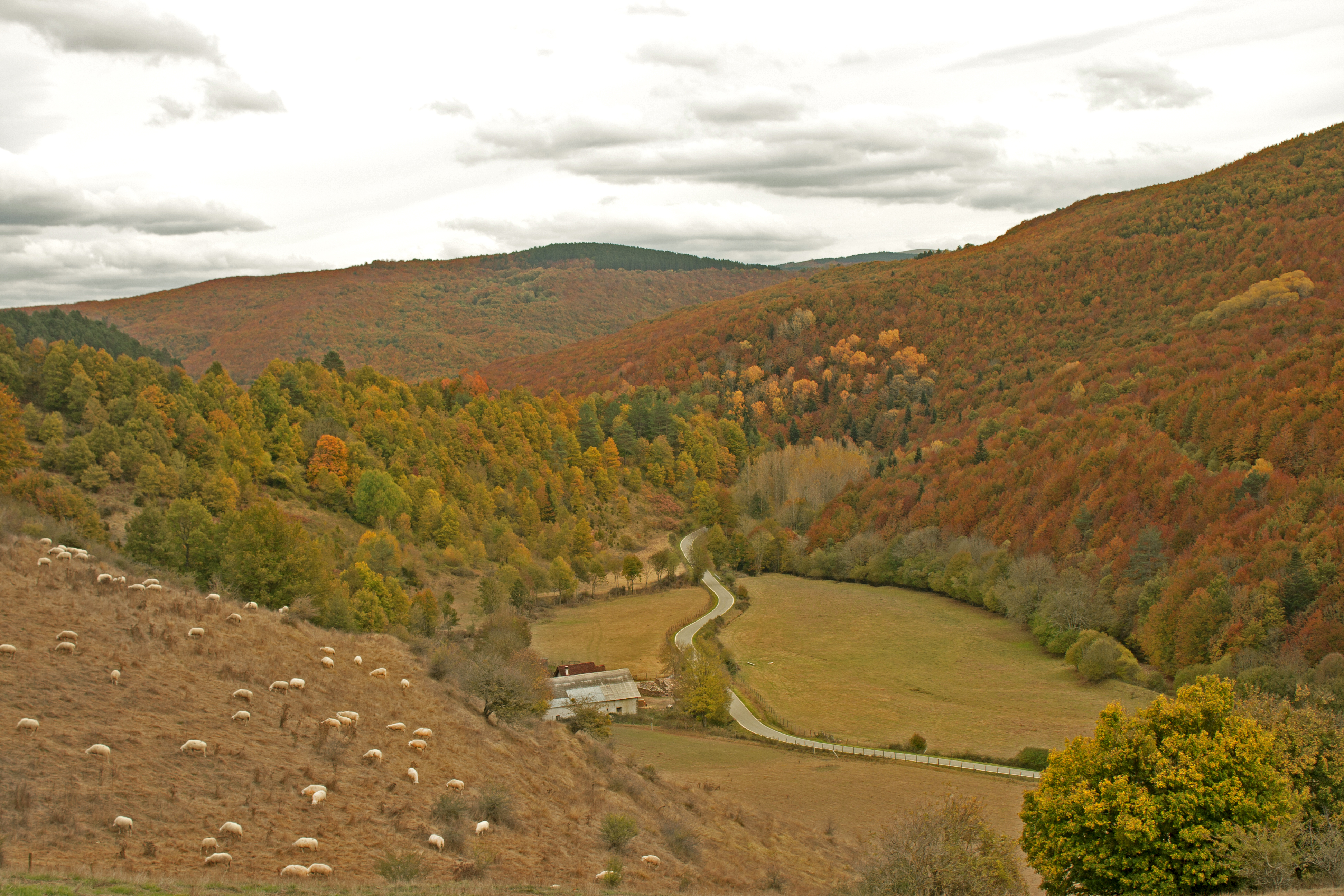
Valle de Salazar | Sierra de Abodi
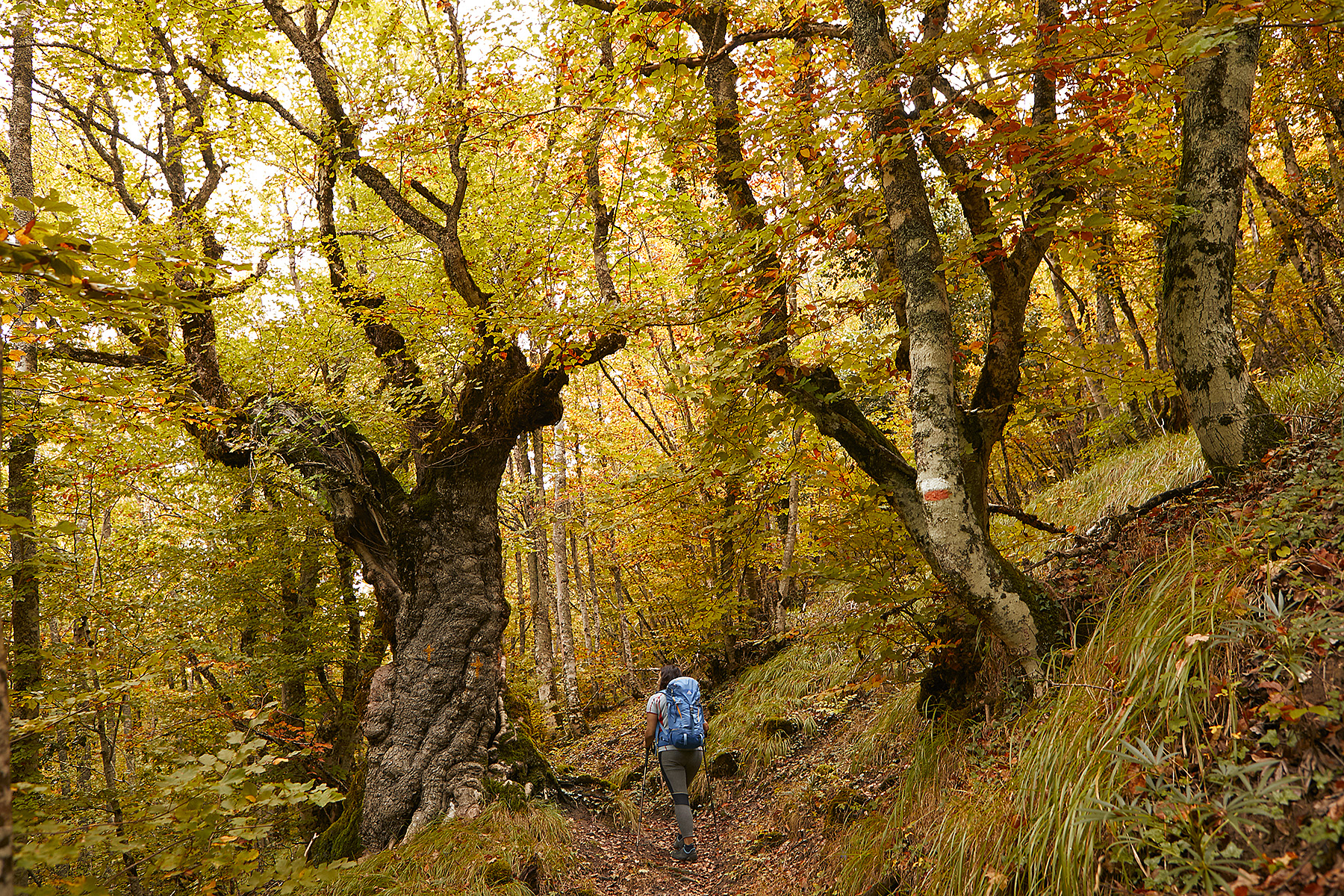
Valle de Salazar | Ruta Gartxot
-
Araitz Valley
Here, where the mountain seems to lean in to listen to its own echo and the Malloas cut across the s… -
Belagua Valley
Here, where ancient ice left its mark on the only glacial valley in this land and the limestone of L… -
The Baztan and Bidasoa Valleys
Here, where the mountains lean their silhouettes towards the Cantabrian Sea and the water flows as i… -
Roncal Valley
Here, where the landscape bears the mark of Navarre’s only glacial valley and the River Esca marks t…
