
Monreal / Elo
The royal town that holds the keys to the Pre-Pyrenees

The royal town that holds the keys to the Pre-Pyrenees
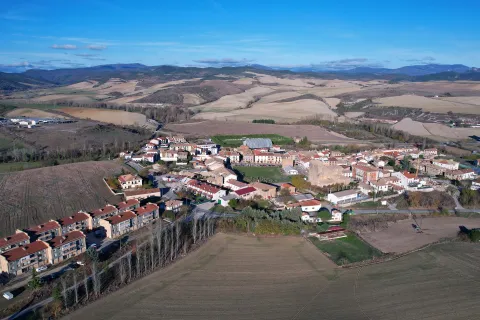
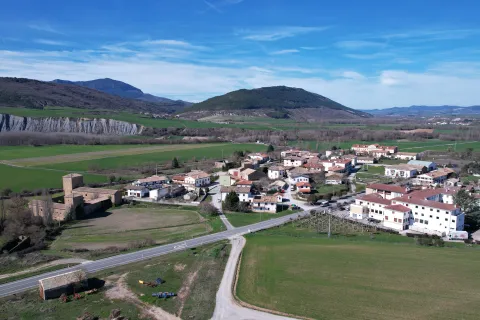
Here, the conical shadow of the Higa dominates a landscape where the River Elorz and the medieval stone bear witness to the constant passage of the Way of St James. In this town, which was once a hunting ground and a frequent retreat for the Navarrese monarchy, the solidity of its Gothic bridge stands as a testament to a history linked to the defence and administration of the Kingdom. The passage of the centuries is evident in the foundations of its fortress and in the silence of its cobbled streets, which offer a picture of peace and historical solidity that is hard to forget.
Our town, situated in the Merindad de Sangüesa, 18 kilometres from Pamplona, is mentioned in 12th-century documents under names such as Monte Regale or Elo. The municipality stands as a strategic hub that received its charter from the Franks of Estella in 1149 by concession of King García Ramírez. The area preserves traces of an old Jewish quarter and a mint, reflecting the importance of a place that held a seat in the Kingdom’s Parliament and which once accommodated 2,000 pilgrims in a single year.
Monreal’s heritage offers a direct journey back to the medieval splendour of the ancient Kingdom of Navarre.

Monreal village with a church at the foot of a wooded mountain.

Stone church with a bell tower in Monreal, general view from below.

Facade of Monreal's town hall with flags, stone coats of arms, and wrought iron balconies.
Resuelve las dudas más habituales sobre los diferentes parques y zonas naturales: cómo llegar, qué visitar, normas, rutas y servicios para planificar tu experiencia con facilidad.
Monreal's patron saint festivities are traditionally celebrated in honor of Our Lady of Nativity, around September 8th. These are days of great liveliness where the town fills with music, popular meals, and events that celebrate its rich cultural heritage.
Online
