
Unciti
The steep slopes of Izaga and the trail of ivy

The steep slopes of Izaga and the trail of ivy
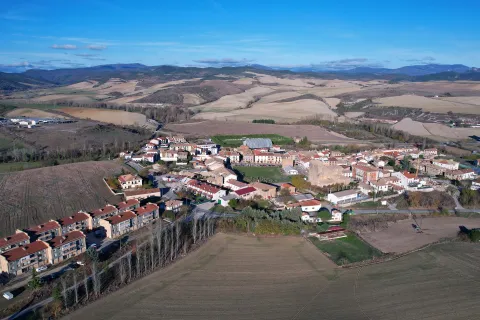
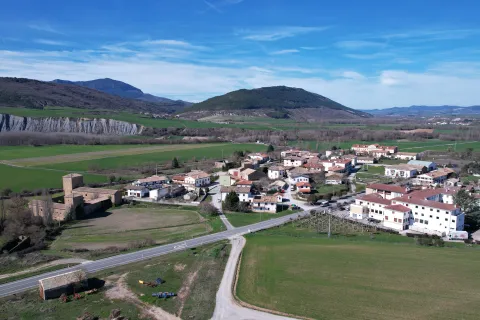
The landscape of our valley is defined by the transition between the basin’s plain and the limestone of the mountain range, under the constant watch of the rock face of Izagaondoa. In this part of the pre-Pyrenean basins, the appearance of the stone-built villages and farmland bears witness to a heritage linked to pastoralism and to the ivy which, according to the etymology of our name, once thrived in these places. The atmosphere of Unciti is evident in the silence of its oak groves and in the solidity of an architecture that integrates the mystique of the peaks into a scene where matter and time maintain their own rhythm.
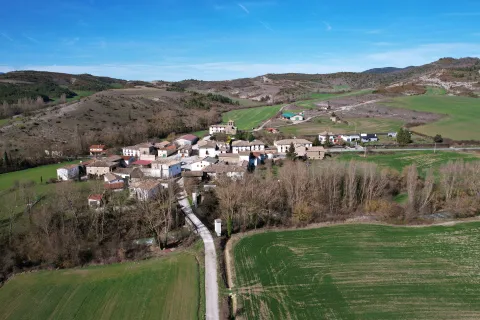
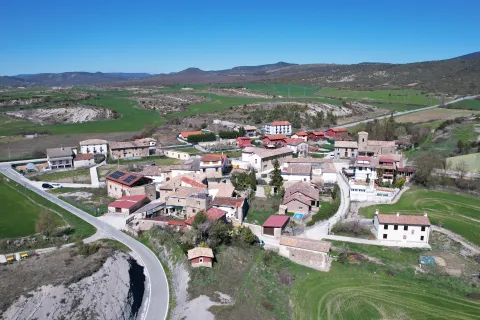
Our municipality, situated in the district of Sangüesa, 19 kilometres from Pamplona, comprises a community spread across five parishes and three inhabited settlements. Unciti’s identity is rooted in a territory of 37.34 km² that received its current name in the 12th century, having originally been known as Val de Erraondo. Living in this valley means observing the coexistence between the everyday life of villages such as Cemboráin, Zabalceta and Najurieta and a heritage with Romanesque roots that preserves the memory of the ancient lineages of the Navarran mountains.
Unciti is a hidden gem of Romanesque art and outdoor life.

Unciti cemetery with a pointed stone arch at the entrance and a structure protected by a modern fence.

Unciti square with a traditional fountain, stone rural architecture, and a small red roof.

Unciti Church with a white and stone bell tower, under a clear blue sky.
Resuelve las dudas más habituales sobre los diferentes parques y zonas naturales: cómo llegar, qué visitar, normas, rutas y servicios para planificar tu experiencia con facilidad.
Online
