
Urroz-Villa
The heart of the fairs

The heart of the fairs
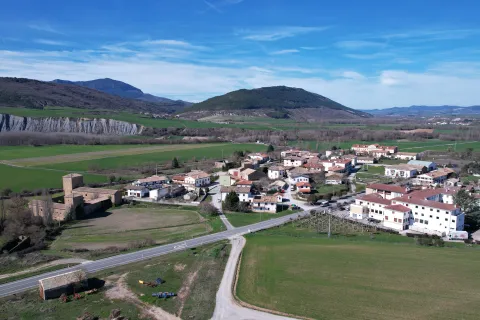
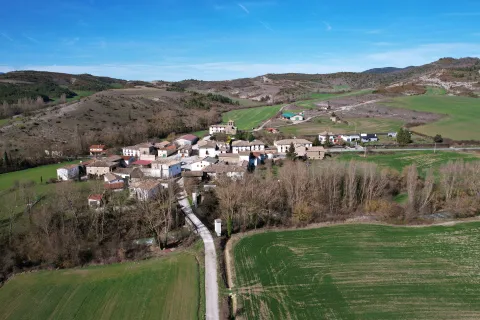
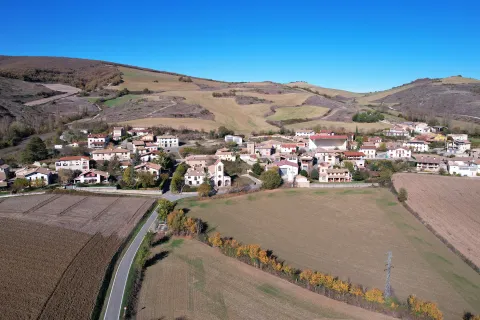
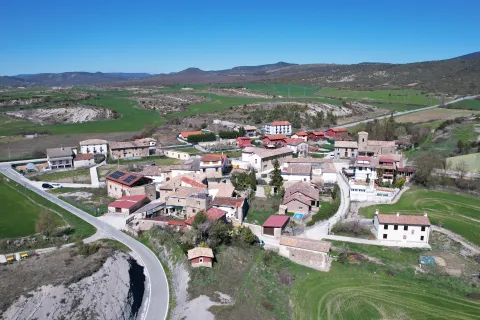
The expanse of one of Navarre’s largest arcaded squares bears witness to Urroz-Villa’s history as a crossroads between the river basin and the Pyrenees. In this pre-Pyrenean settlement, the emblazoned mansions and the solidity of its urban layout reveal an identity linked to the market and rural nobility. The atmosphere of the town is reflected in the echoes of the old merchants who once inhabited its arcades and in the silence of its cobbled streets, creating a scene where the nobility of the buildings and the flow of the River Erro maintain their own enduring presence.
Our municipality brings the community together in a fertile valley with an identity rooted in a municipal area where cereal crops coexist with the pine and oak trees flanking Mount Belascoáin. The history of this place, which has held the title of ‘buena villa’ since 1454, is rooted in its status as a historic trading hub, and today it retains a bilingual character as part of the Mixed Zone of Navarre.
Urroz-Villa’s heritage allows visitors to observe the fusion of market-oriented civil architecture, medieval faith and the legacy of the local nobility.

Green garden in Urroz-Villa with stone houses in the background and trees under a clear sky.

Stone church with a bell tower in Urroz-Villa.

Stone facades in an inner square of Urroz-Villa with flowers in windows and a clear sky.
Resuelve las dudas más habituales sobre los diferentes parques y zonas naturales: cómo llegar, qué visitar, normas, rutas y servicios para planificar tu experiencia con facilidad.
Online
