
Urraúl Alto
The valley of untamed nature

The valley of untamed nature
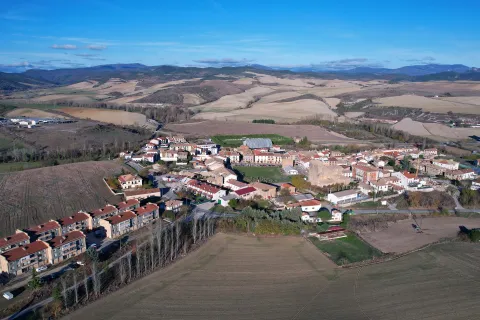
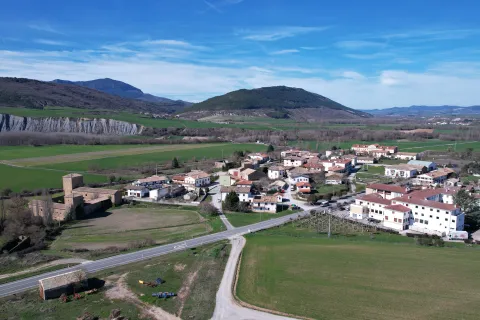
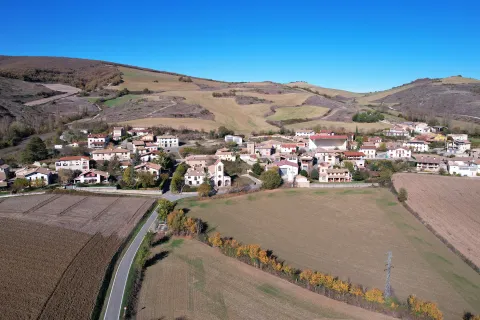
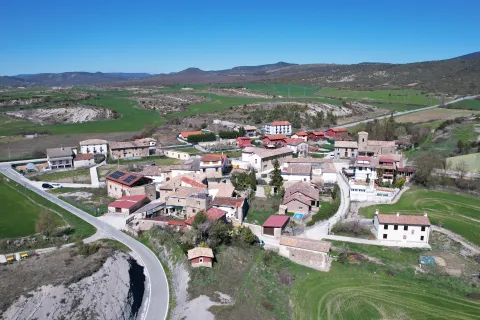
Here, the course of the River Areta carves out a landscape of limestone gorges and woodlands where the stone of our villages blends into the mountains. The masonry of the medieval bridges and the simplicity of the Romanesque churches bear witness to a heritage linked to pastoralism and the use of the forest, allowing the atmosphere of the valley to manifest itself through its very fabric. It is a land to be discovered in the silence of its oak groves and in the solidity of a Pyrenean architecture that is untouched by haste and attuned to the rhythm of the elements.
Our municipality covers almost 140 km² of rugged terrain, situated at an altitude of 530 metres and 45 km from Pamplona. Here, life is spread across four districts (Ayechu, Imirizaldu, Irurozqui and Ongoz) and various inhabited places such as Adoáin, Elcóaz, Epároz and Santa Fe. The valley’s identity is reflected in the persistence of its traditional ways of life and in the administrative heritage found on Calle San Adrián in Irurozqui, the nerve centre that preserves the history of a borderland and a gateway to the high mountains.
The valley is a paradise for explorers seeking hidden gems and breathtaking landscapes.

Street of Irurozqui, Sagüesa region, with a view of stone houses with wooden shutters.

Whitewashed house with an entrance flanked by cypress trees on Irurozqui street, Sagüesa region.

Stone church of Irurozqui, in the Sangüesa region.
Resuelve las dudas más habituales sobre los diferentes parques y zonas naturales: cómo llegar, qué visitar, normas, rutas y servicios para planificar tu experiencia con facilidad.
Online
