
Roncal / Erronkari
The echo of song and the memory of the river

The echo of song and the memory of the river
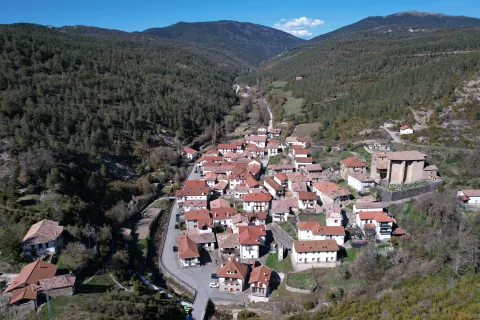
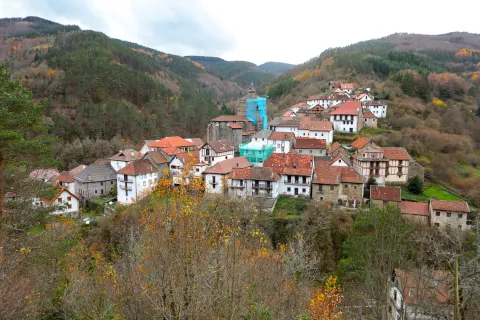
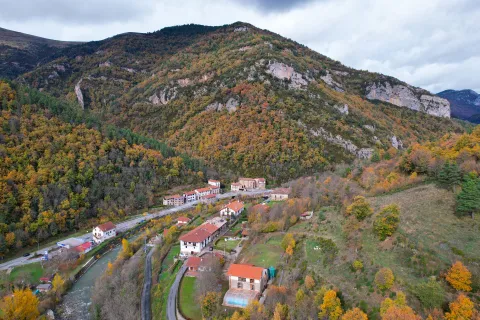
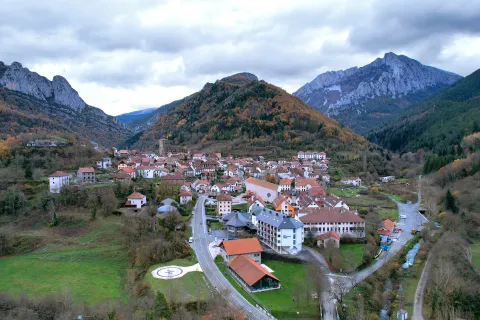
Here, where the River Esca flows with an ancient rhythm and the stone holds the pulse of generations, time settles unhurriedly over the valley. In Roncal, the atmosphere dwells between the open layout of its streets and the serene gravity of a place where music, memory and the land intertwine. Bronze, wood and silence create a landscape where every everyday gesture seems to resonate with a history longer than winter itself. It is a land of roots and contemplation, where the legacy of the log drivers, the suspended voice of a tenor and mountain life are effortlessly recognised, as if they had always been there.
The village lies at an altitude of 720 metres, in the heart of the eastern Navarrese Pyrenees, serving as the geographical and symbolic centre of the valley. Spreading out from the hillside, the settlement winds its way around the river, organised into neighbourhoods that interact with one another through the use of stone and the varying terrain. Roncal’s identity dates back to the Neolithic period and remains marked by universal nobility privileges and the persistence of its own institutions, such as the Casa del Valle. The community has managed to live in harmony with the passage of time, maintaining a direct relationship with the land, the forest and livestock. The memory of the uskara — the Roncal dialect of Basque — remains a profound cultural echo, whilst the economy remains tied to livestock farming, timber and the production of the cheese that bears the valley’s name.
In Roncal, every corner reveals the intertwining of history, art and daily life.

White building of traditional Pyrenean architecture with a slate roof in Roncal.

Refurbished tourist office in Roncal with a white facade and slate roof.

Mausoleum of tenor Julian Gayarre, in Roncal cemetery, surrounded by forest and cypress trees.
Resuelve las dudas más habituales sobre los diferentes parques y zonas naturales: cómo llegar, qué visitar, normas, rutas y servicios para planificar tu experiencia con facilidad.
Online
