
Burgui / Burgi
Where the river guides memory and wood learns to float

Where the river guides memory and wood learns to float
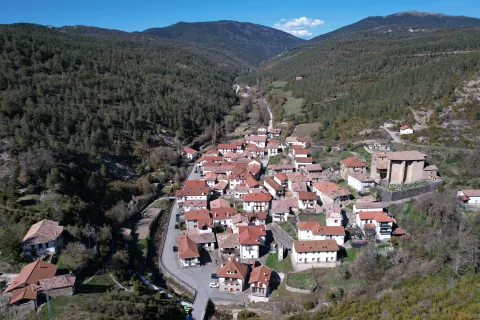
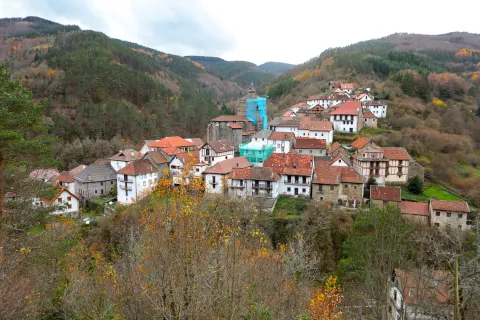
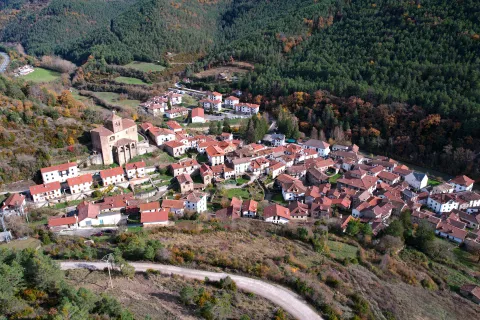
Here, at the threshold where the Eska river gorge opens up into the Roncal Valley, time is not measured: it slips by. The timber and ashlar stone preserve a history that flows with the water, a memory of rafts that belongs not to the past, but to the riverbed itself. In Burgui, the atmosphere is felt in the solidity of the houses with their curved tiles and in the unhurried rhythm of streets that seem to listen to the river. Every corner bears the mark of the raftsmen of the ‘ ’ , of their hands and their craft, as if life had been inscribed into the very fabric of the place. It is a land of passage and contemplation, where the mountains are ever-present, and life, like the river, simply goes on.
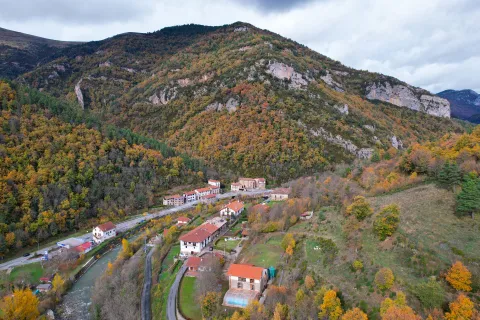
The village stands at an altitude of 629 metres, at the point where the valley opens out and heralds the passage to other lands. Burgui is the southern gateway to the Roncal Valley , a frontier location where for centuries paths, interests and defences crossed. Its identity stems from this strategic position, which gave rise to a vigilant past, marked by the presence of a medieval castle that has now disappeared, yet remains present in the memory of the landscape.
Life here has been linked to timber, the river and livestock. The farmhouses, built on the slopes of the right bank of the Eska, reflect this constant adaptation to the environment. Today, Burgui keeps the essence of its culture alive, whilst also preserving the traces of the ancient Roncalese Basque language, Uskara. Amidst cylindrical chimneys and sloping roofs, the architecture engages with the forested landscape surrounding the village, creating a scene where tradition and nature intertwine seamlessly.
The tour allows you to discover how life has adapted to the rhythm of the water.

Cobblestone street in Burgui with traditional stone houses, wooden balconies, and decorative flowers on the facades.

Detail of wooden logs stacked and forming rafts in Burgui, with autumnal vegetation in the background.

Cobblestone stone bridge over a river in Burgui, with traditional stone houses and red roofs in the background.
Resuelve las dudas más habituales sobre los diferentes parques y zonas naturales: cómo llegar, qué visitar, normas, rutas y servicios para planificar tu experiencia con facilidad.
The town celebrates its patron saint festivities in honor of Saint Peter on June 29th. Of particular significance is the celebration of the Day of the Almadía, declared a Festival of National Tourist Interest, which takes place on the first weekend of May and features the descent of these rafts down the river.
According to the official INE registry for 2025, Burgui has a total population of 187 inhabitants.
Online
