
Abaurregaina / Abaurrea Alta
The elevated tranquillity and the echo of the horizon

The elevated tranquillity and the echo of the horizon
Where height blurs the sense of distance and the sky seems to lean down over the earth, the stone and the wind hold a story that needs no telling to exist. In Abaurrea Alta (or Abaurregaina), an open balcony of the Pyrenees, the atmosphere is revealed in the vastness of the plateau and in the calm with which the landscape stretches out between fields and forests. It is a land where the traces of ancient steles and the unhurried life of the highlands coexist in serene harmony, allowing time to unfold without haste.
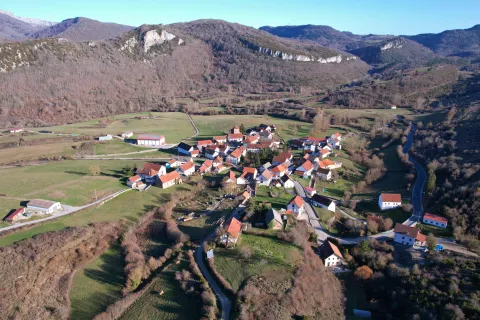
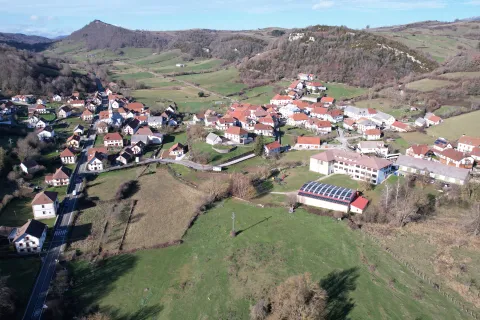
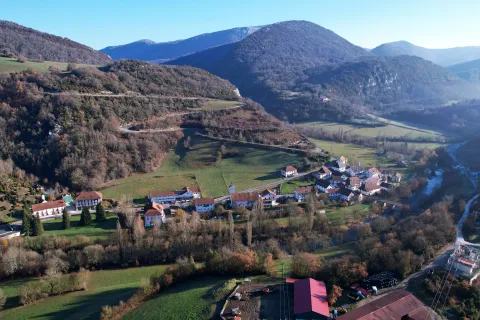
Abaurrea Alta stands as the highest inhabited settlement in Navarre and the Basque Country, situated on a plateau over 1,000 metres above sea level from which the horizon unfolds clearly. Its origins, linked to Abaurrea Baja , gave rise to a settlement that began as a cluster of farmhouses and which today occupies a vast area between the River Zatoia and the slopes of Mount Remendía. Life here is measured in intense seasons: long winters where snow shapes the landscape and summers in which light sweeps across the fields and high-altitude meadows. The identity of the place remains anchored in the stone of its houses and in an economy that still follows the rhythm of timber, livestock and farming, sustaining the essence of a mountain enclave deeply rooted in its surroundings.
Abaurrea Alta offers a journey where altitude and history converse seamlessly.

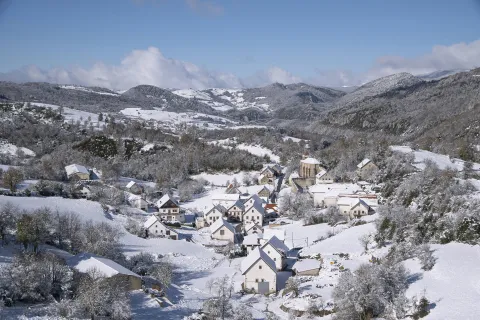
Group of houses in the snow-covered village of Abaurrea Alta with traditional Pyrenean architecture.

Snowy village of Abaurrea Alta with stone houses and white roofs, church in the background.

Aezkoa Valley | Abaurregaina/Abaurrea Alta
Resuelve las dudas más habituales sobre los diferentes parques y zonas naturales: cómo llegar, qué visitar, normas, rutas y servicios para planificar tu experiencia con facilidad.
The town of Abaurrea Alta stands at an altitude of 1,039 - 1,040 meters above sea level, making it the highest inhabited place in the community of Navarre.
It is situated in the northeast of Navarre, forming part of the Aezkoa Valley, 70 km from Pamplona on the NA-140 road.
Online
