
Lintzoain
The heartbeat of the valley and the memory of the path

The heartbeat of the valley and the memory of the path
In the heart of the valley, Lintzoain lies like a place of passage that has learned to stay. Nestled amongst the hills that form the Astobia and Tiratún ranges, the stone holds an enduring memory, woven from transience and permanence. The atmosphere is evident in the layout of its two hamlets, in that balance between high and low, and in the echo of those who passed through this place centuries ago: knights, pilgrims, travellers who left an almost invisible mark. It is a land where legend and everyday life coexist effortlessly. The story of the knight Roldán, suspended between epic and tradition, is intertwined with the solidity of the church and the tranquil pulse of the Camino de Santiago , which continues to set the rhythm of the place.
Lintzoain lies at an altitude of 750 metres, on the right bank of the River Erro, occupying a central position within the valley and serving as its administrative capital. Its origins as a royal town date back to the 13th century, when it was already documented as paying taxes to the crown. The traditional organisation of the council, based on a rotation of public offices among residents, reflects a deeply rooted community way of life. Lintzoain maintains a constant level of activity within the valley and is home to the Town Hall. Furthermore, its role as a welcoming hub on the Camino de Santiago reinforces its open character, striking a balance between livestock farming traditions and contemporary life.
A tour of Lintzoain reveals a landscape steeped in history.

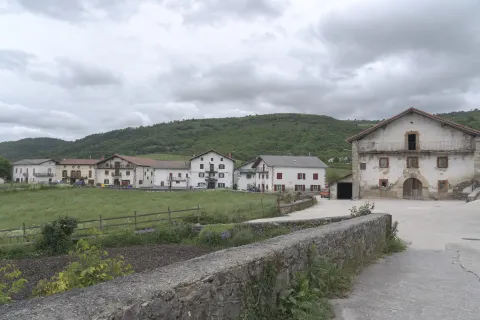
Entrance to the village of Lintzoain in the Navarrese Pyrenees with traditional white farmhouses surrounded by forest and green meadows.

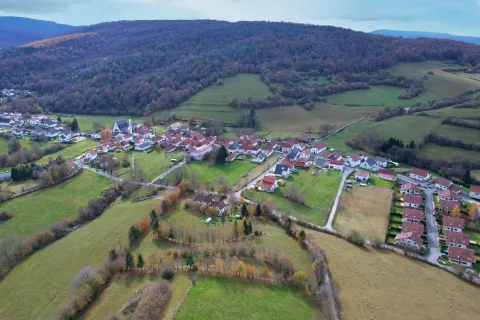
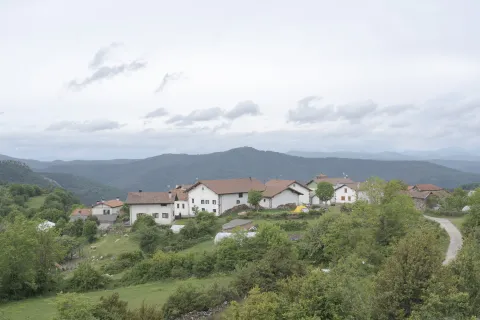
View of Lintzoain surrounded by vegetation.

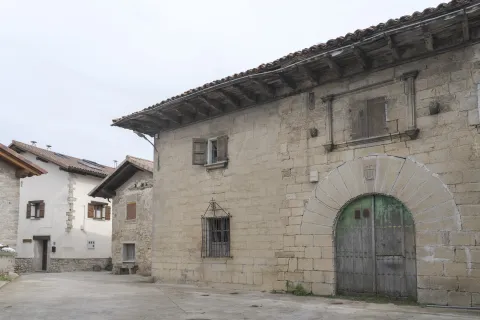
Church of Lintzoain in the Navarrese Pyrenees, with a square stone tower and an arched portal.
Resuelve las dudas más habituales sobre los diferentes parques y zonas naturales: cómo llegar, qué visitar, normas, rutas y servicios para planificar tu experiencia con facilidad.
Online
