

Aezkoa Valley
The living memory of a valley amidst beech trees and mountain peaks
Here, where time lingers in the timber of its granaries and the greenery spreads like an ancient mantle over more than twelve thousand hectares of forest, life flows to the deep rhythm of the Irati Forest. On the slopes of the Aezkoa Valley, the mist swirls at the entrance to Arpea and the circular stones of Azpegi hold a silence that does not belong to the present. It is a land of deep roots, where the stone of the Pyrenean houses and the murmur of the River Irati intertwine in a calm that does not impose itself, but rather reveals itself, allowing the essence of its nine villages to breathe unhurriedly.
Aezkoa Valley – general information
It is situated in the north-east of Navarre, covering an area of around two hundred square kilometres on the southern slopes of the Pyrenees. Its identity is rooted in a landscape of gently rising mountains, all under 1,500 metres, where forests cover 60% of the territory and grazing defines the use of its meadows.
Its history records human presence dating back to the Palaeolithic period in Zatoia and traces of Romanisation in the Urkulu tower, with the valley establishing itself as a community as early as the 9th century. Administratively, it is organised as a traditional community comprising nine municipalities that manage their resources through the Valley General Assembly, based in Aribe . Its own language, Aezkera (a dialect of Basque), remains part of the daily lives of the valley’s 821 inhabitants, who preserve centuries-old trades such as cheese-making and the management of communal woodlands.
How to get to the Aezkoa Valley?
Access to the Aezkoa Valley is mainly via the roads connecting it to the Merindad de Sangüesa.
- From the central area: The route is usually accessed by heading towards the village of Aribe, which serves as the geographical centre and administrative information point.
- From the border: The valley is geographically very close to the French town of Saint-Jean-Pied-de-Port and Roncesvalles, key points on the Camino de Santiago which have historically recorded the flow of travellers into the valley.
What to do in the Aezkoa Valley?
The area invites you to discover the harmony between history, nature and tradition.
- Orbaizeta Royal Munitions Factory: A site showcasing the ruins of 18th-century industry, where ironworks and the Legartza river channel now coexist with the encroaching forest.
- Route of the Granaries: Explore the 22 listed structures that showcase the traditional architecture used for grain storage, scattered across the various villages.
- Azpegi Megalithic Site: A record of prehistoric memory through dolmens and cromlechs that have watched over the border for millennia.
- Urkulu Tower: A vantage point situated at 1,438 metres where the ruins of a Roman tower bear witness to the historical control of the Pyrenean passes.
- Kultur Ola: An exhibition centre located at Orbaizeta which uses models and audiovisuals to explore the history, myths and daily life of the valley.
- Arpea Cave: A geological fold in the shape of an inverted ‘V’ that marks the natural boundary and serves as a traditional shelter for livestock.
Información sobre: Aezkoa Valley
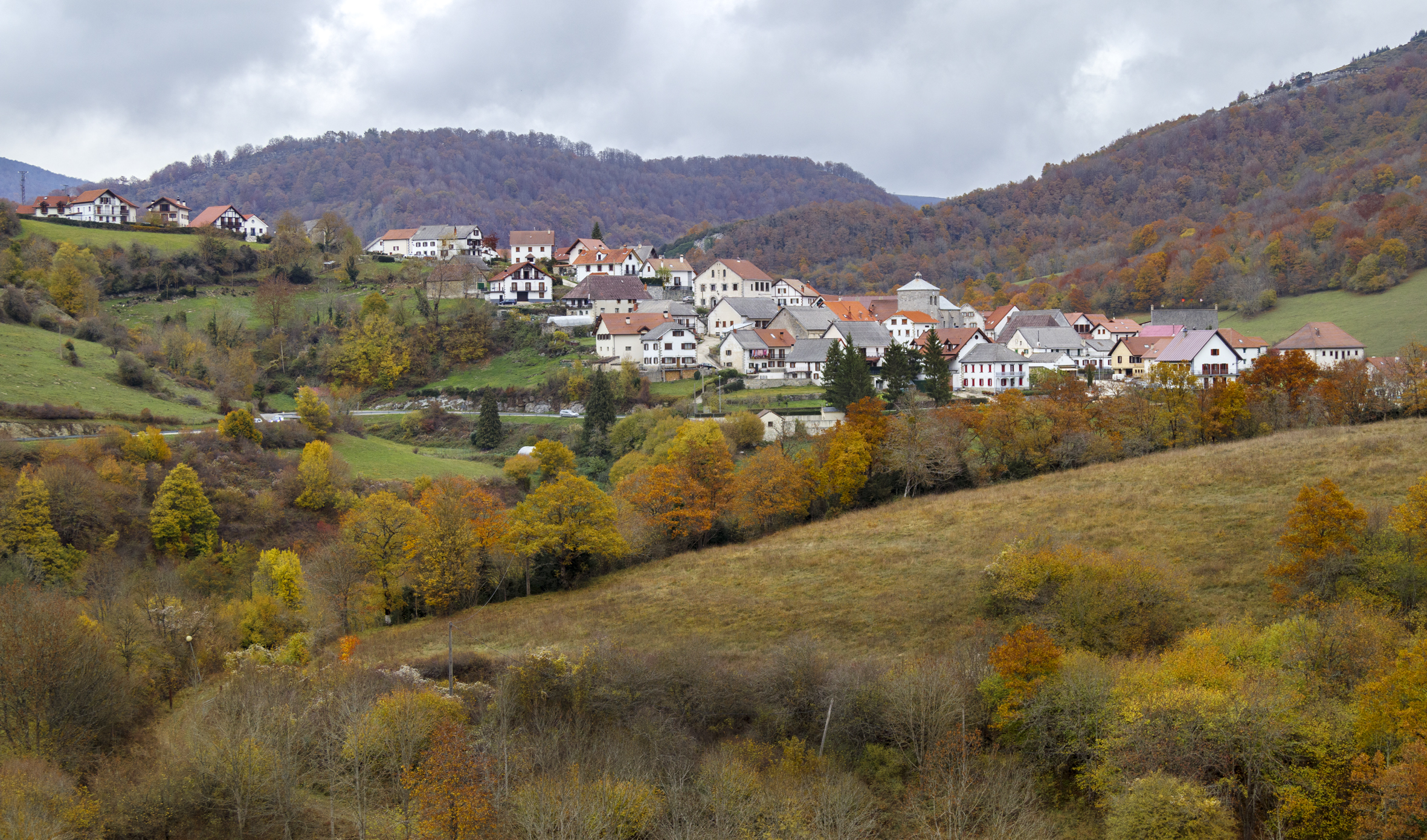
Valle de Aezkoa | Vista general
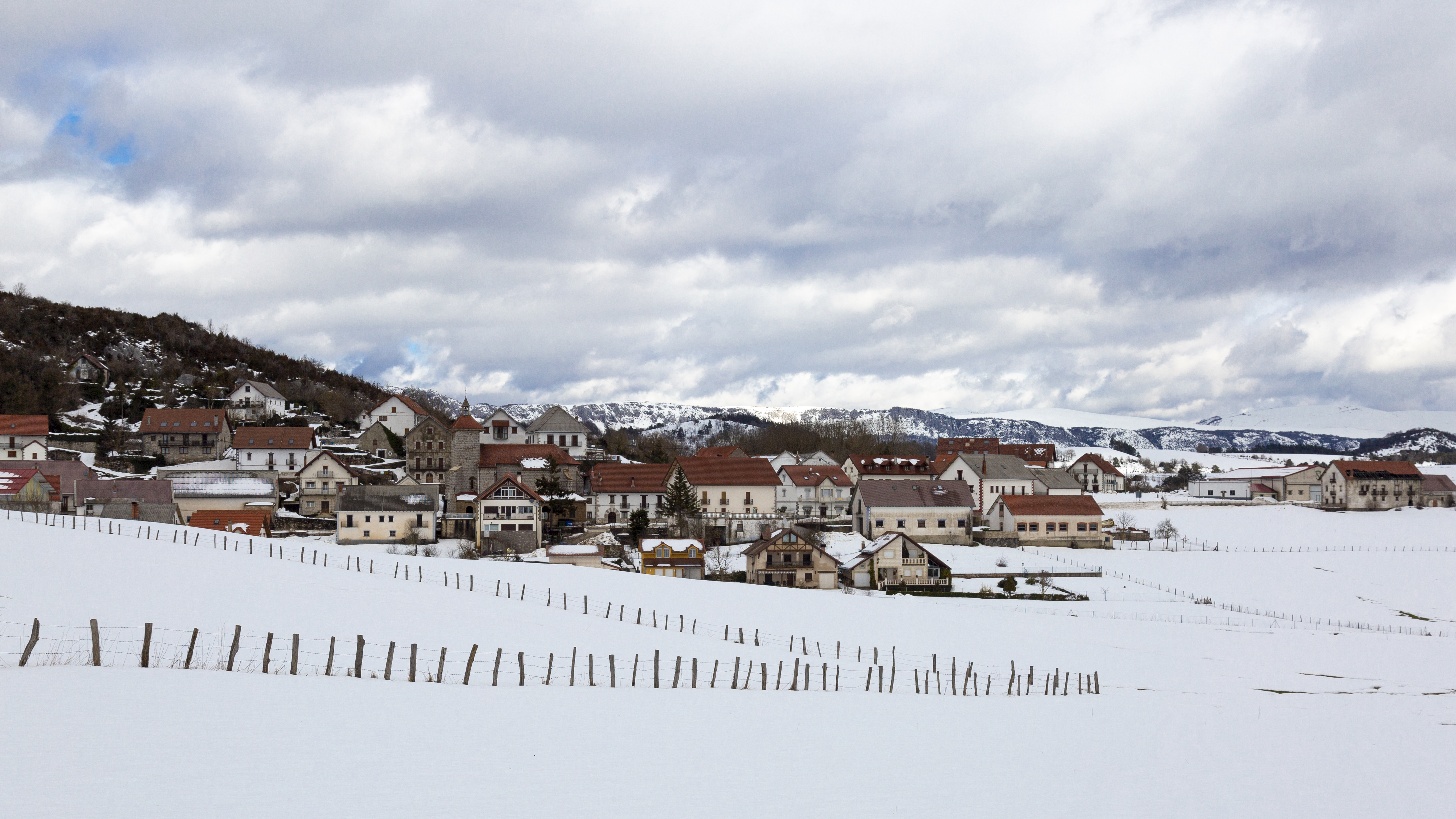
Valle de Aezkoa | Abaurregaina/Abaurrea Alta
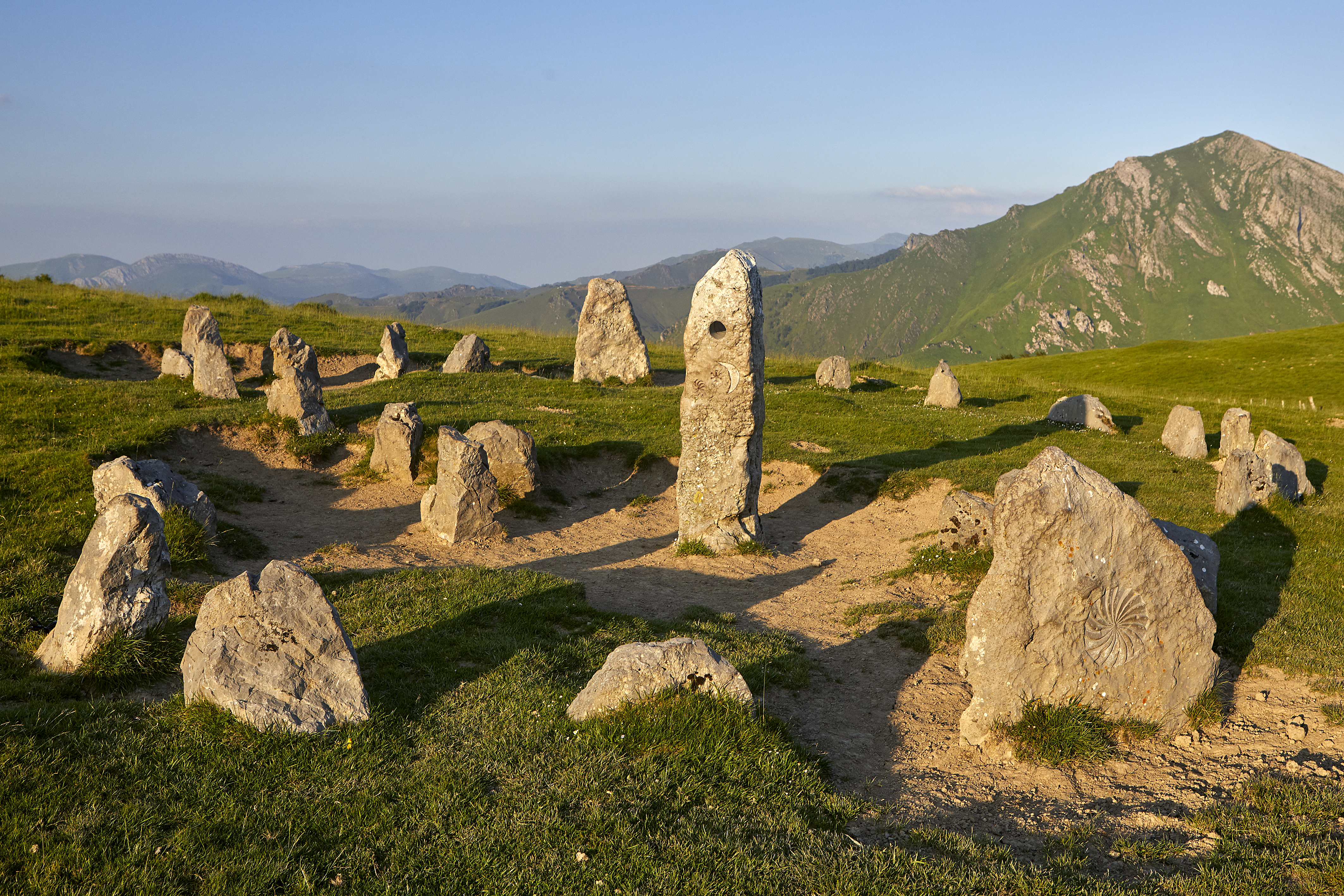
Valle de Aezkoa | Cromlech Organbide Lepoa
-
Araitz Valley
Here, where the mountain seems to lean in to listen to its own echo and the Malloas cut across the s… -
Roncal Valley
Here, where the landscape bears the mark of Navarre’s only glacial valley and the River Esca marks t… -
Belagua Valley
Here, where ancient ice left its mark on the only glacial valley in this land and the limestone of L… -
Salazar Valley
Here, where the river that gives it its name winds its way down through the shade of beech trees and…
