
Lónguida / Longida
The Valley of Open Skies

The Valley of Open Skies
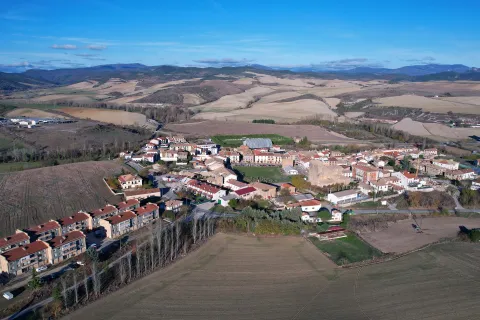
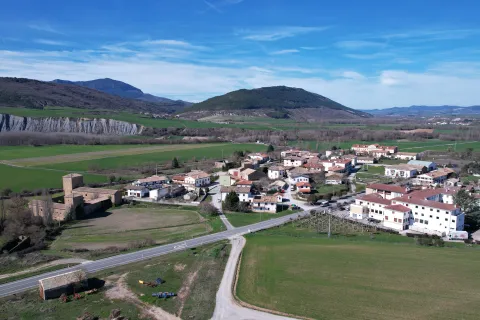
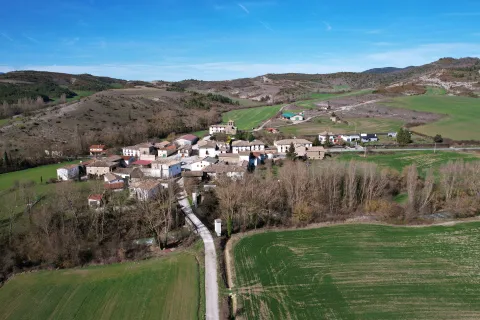
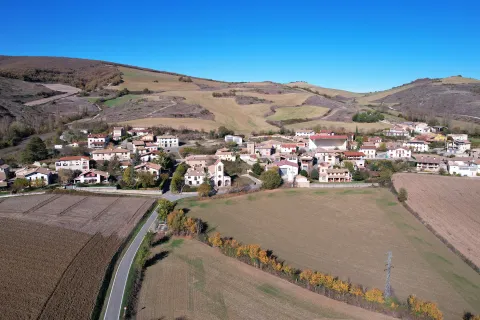
Our territory is defined by the course of the River Irati , whose ancient name, Ida, gave rise to the valley’s name. In this gateway to the Pyrenees, the character of the 25 villages that make up the municipality is revealed amidst alluvial terraces and a landscape that ranges from undulating to rugged.
It is a scene where stone-built architecture, towers and granaries bear witness to the history of a strategic pass, integrating the modernity of the Itoiz reservoir into a timeline that unfolds to the rhythm of the seasons.
The municipality is situated in the district of Sangüesa, comprising 5 local councils —Aós (administrative capital), Artajo, Ecay de Lónguida, Murillo de Lónguida and Villaveta— and 20 inhabited settlements.
Life in the valley bears the traces of the Roman road and of ancient royal estates granted to squires in the 15th century. The identity of the region is today rooted in a landscape of pine and oak forests where the language and culture coexist harmoniously.
The Lónguida valley is full of surprises for those who know how to look beyond the conventional routes.

Aerial view of the village of Longuida surrounded by green meadows and mountains.

Suspension bridge over a river in Longuida with a forest and clear sky.

Suspension bridge over a river in Longuida with a forest and clear sky.
Resuelve las dudas más habituales sobre los diferentes parques y zonas naturales: cómo llegar, qué visitar, normas, rutas y servicios para planificar tu experiencia con facilidad.
Online
