
Ibargoiti
The Valley of tranquillity

The Valley of tranquillity
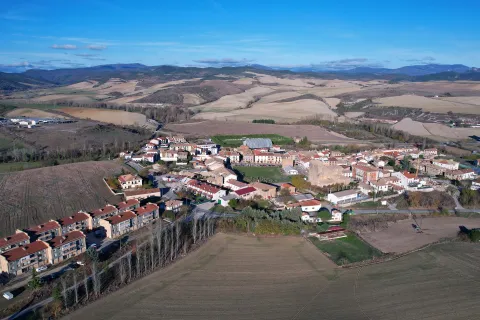
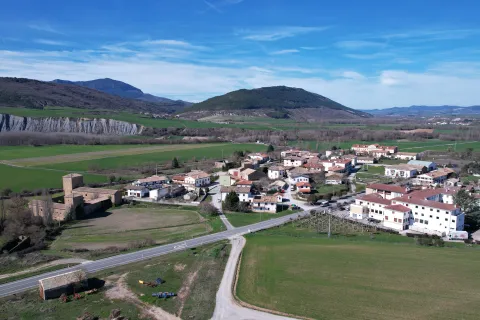
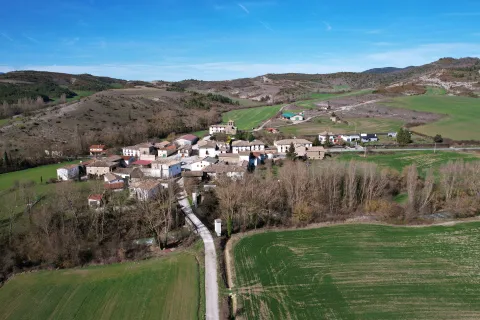
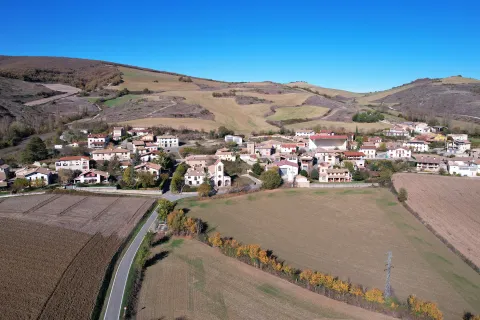
To be here is to enter a transitional landscape where the Pamplona Basin begins to rise towards the Pyrenean peaks. In this valley, made up of small, well-kept villages such as Idocin (its capital), Salinas, Abínzano and Izco, the air invites you to switch off completely.
It is a region marked by the Camino de Santiago Aragonés, which winds through its fields of grain and oak forests, leaving behind Romanesque chapels and stone bridges. With the imposing silhouette of the Peña de Izaga dominating the horizon, here you can enjoy hiking, medieval heritage and the tranquillity of the most authentic Navarre.
Our region is organised around small settlements such as Idocin, Salinas de Ibargoiti, Abínzano and Izco, situated 22 kilometres from Pamplona. Life in the valley preserves the traces of the ancient routes to the Pyrenees, and the administrative heritage lies in Idocin, where the birthplace of Francisco Espoz y Mina stands as a testament to 19th-century military history and the traditional architecture of the area.
Ibargoiti hides architectural and natural gems that are well worth a leisurely stop.

Central square of Ibargoiti with stone houses and white facades under a clear sky.

Stone church with a bell tower in Ibargoiti, surrounded by trees in autumnal tones and local vegetation.

Two-walled stone fronton in front of the stone church in Ibargoiti, under a clear sky.
Resuelve las dudas más habituales sobre los diferentes parques y zonas naturales: cómo llegar, qué visitar, normas, rutas y servicios para planificar tu experiencia con facilidad.
Online
