

Aralar SAC
A mountain revealed through light and shadow
In this Aralar Special Area of Conservation (SAC), the landscape unfolds amidst deep beech forests and limestone peaks where the rock forms a relief full of crevices, chasms and silence. Here, the atmosphere shifts between the lush greenery of spots like Putxerri and the dramatic cliffs of the Malloak, where birds find refuge. It is an environment that invites you to look without haste, where the traces of grazing, water and the mountains form a landscape that reveals itself little by little.
Aralar SAC general information
This area is situated in the region of the Sakana- , and forms part of the Natura 2000 Network as a Special Area of Conservation. It is an area of great ecological and scenic value, dominated by natural forests, particularly beech and oak woods with mature trees of great importance for biodiversity.
The landscape is characterised by a significant karst system, featuring numerous underground cavities and an associated water network. This environment plays a key role as an ecological corridor, facilitating the movement of wildlife between different mountain ranges. Notable species include birds such as the bearded vulture, the middle spotted woodpecker and the black grouse, as well as amphibians such as the agile frog and the Alpine newt.
How to get to the Aralar SAC?
Access to the Aralar SAC is mainly via the Sakana corridor, which connects Pamplona with north-western Navarre.
- Main access: It can be reached from towns at the foot of the mountain range, such as Lakuntza, Arbizu or Etxarri-Aranatz.
- Transport links: The area is bordered on its southern side by infrastructure such as the A-10 motorway, local roads and the railway line.
What to do in the Aralar SAC?
This area allows you to combine nature, learning and responsible leisure in a well-preserved environment.
- Birdwatching: The cliffs and higher areas are ideal for spotting species such as the griffon vulture, golden eagle or Egyptian vulture.
- Hiking and recreational use: There are designated areas and trails that allow visitors to enjoy the environment without affecting its conservation.
- Geological interest: The karst system, with its sinkholes and springs, is one of the most distinctive features of the landscape.
- Environmental education: The diversity of habitats makes the area ideal for the interpretation and study of nature.
- Notable flora: Unique species and rare formations can be found, such as kermes oak groves and well-preserved mature forests.
Información sobre: Aralar SAC
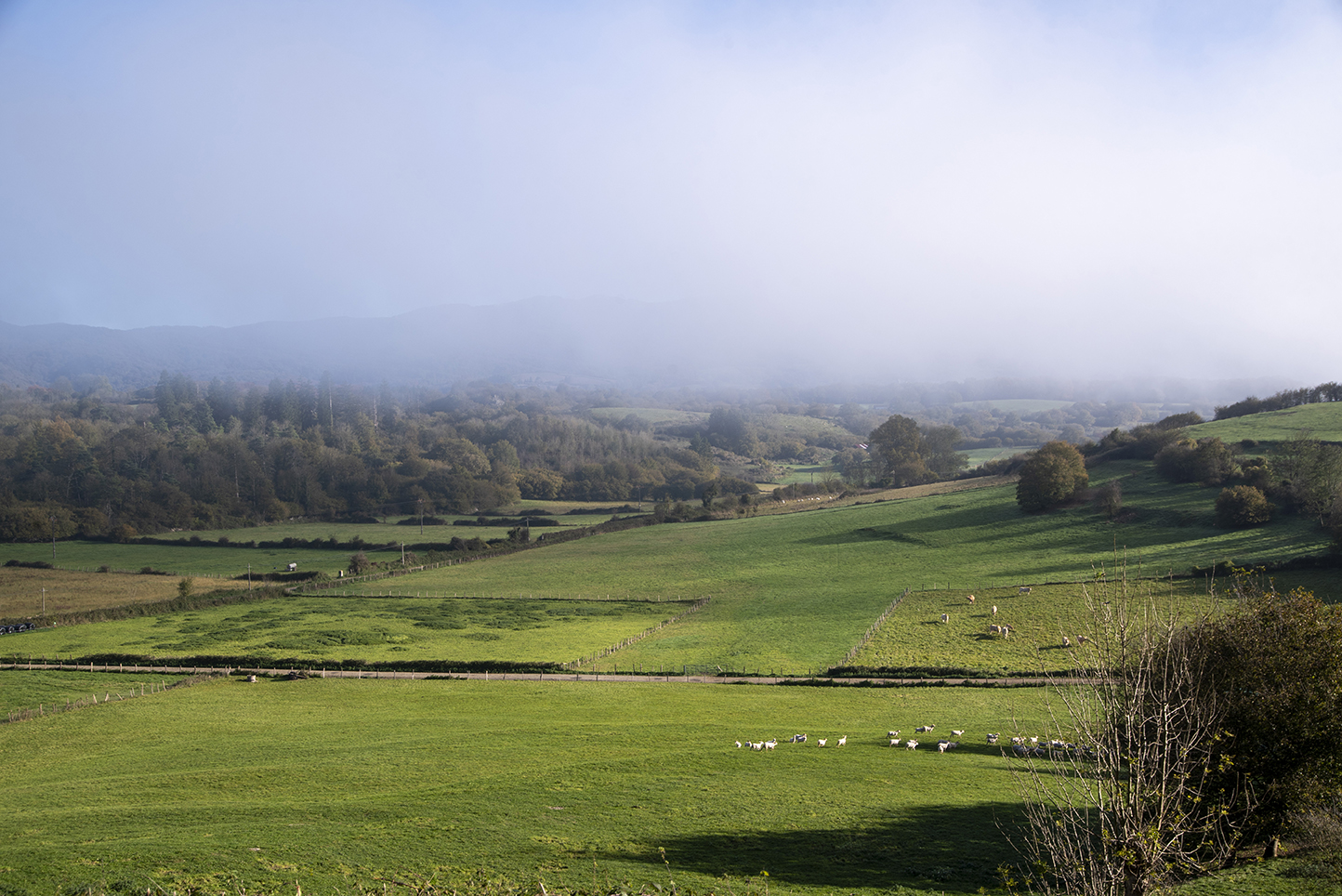
Prados verdes con bosque, ganado pastando y niebla matutina sobre Sierra de Aralar.
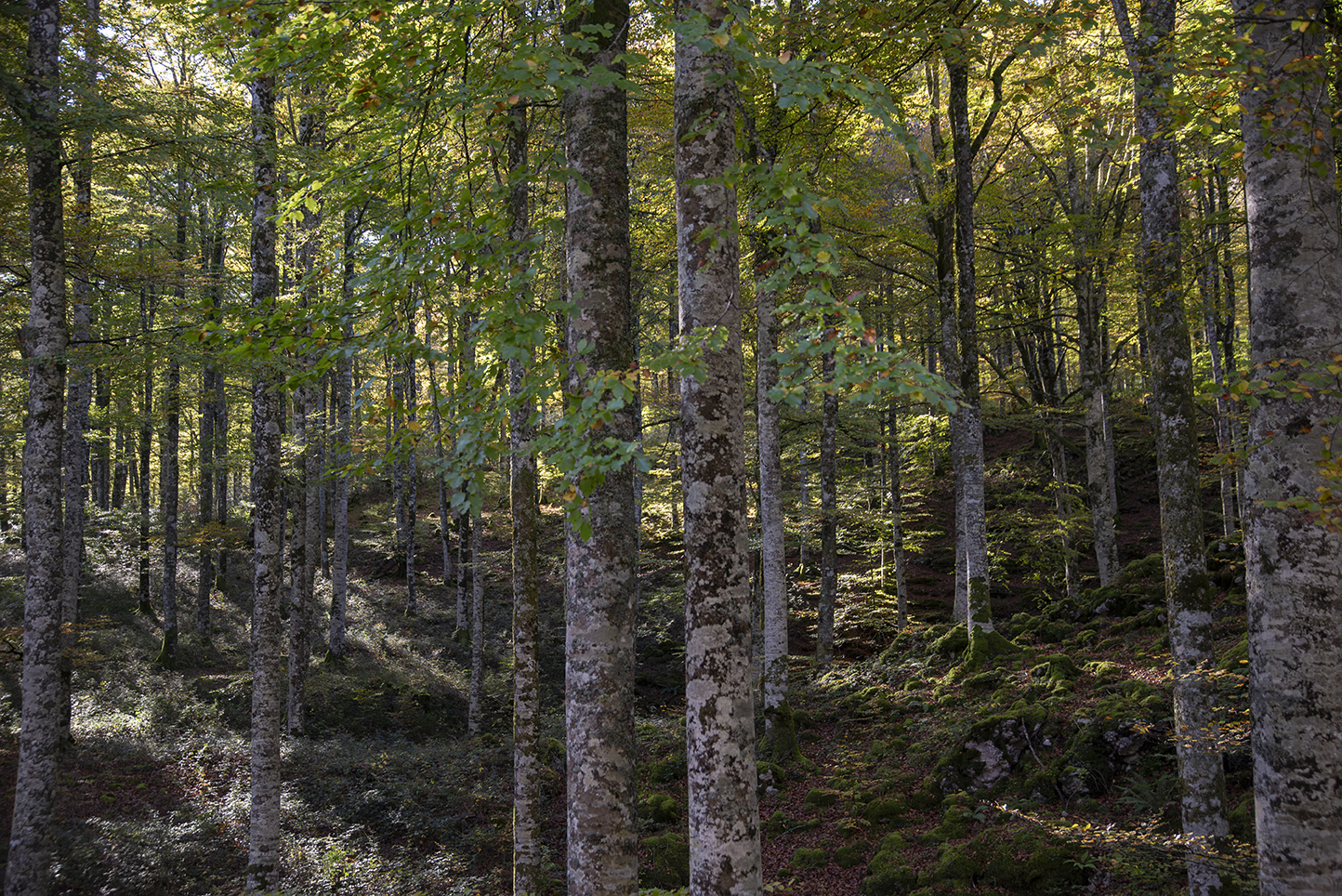
Hayedo denso de la ZEC Aralar con troncos claros de hayas y en ladera.
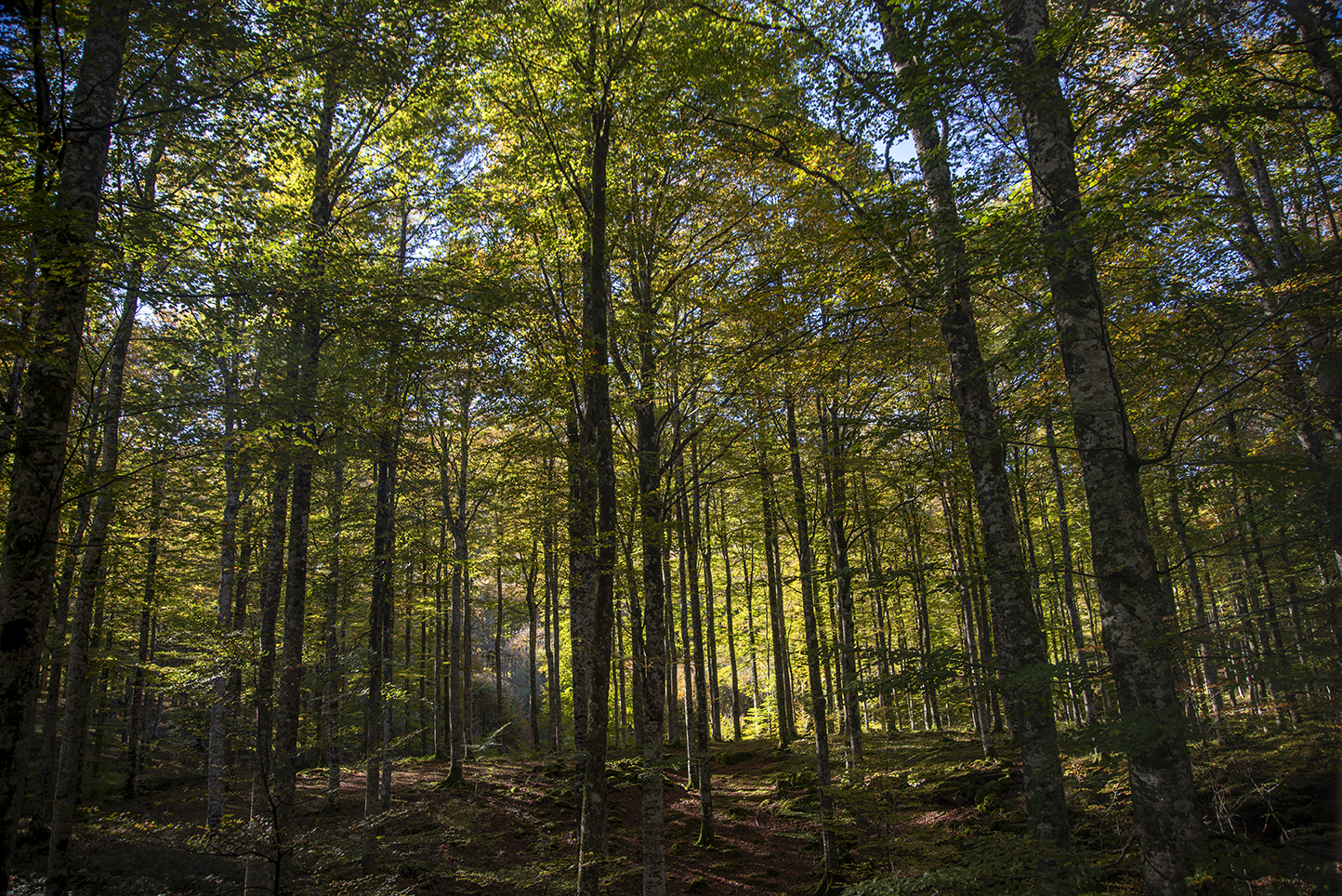
Hayedo denso de la ZEC Aralar con troncos claros de hayas y en ladera.
-
Bertiz Natural Park
In this corner where the River Bidasoa flows towards the sea and legends still drift amongst the str… -
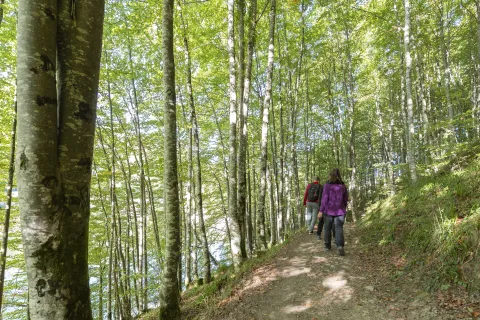
Irati Forest
The Irati Forest unfolds as a dense landscape, where beech and fir trees form a continuous canopy th… -

Urbasa-Andía Natural Park
Amidst open meadows and deep beech forests, the Urbasa-Andía mountain range forms an elevated landsc…
