Saragüeta / Saragueta
A scene between mist and memory

A scene between mist and memory
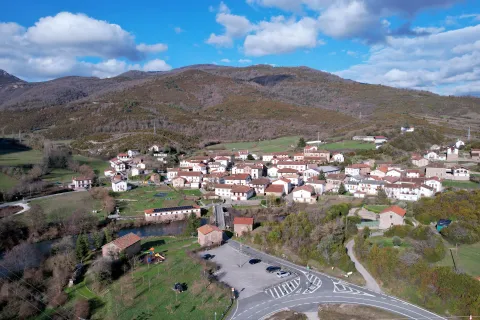
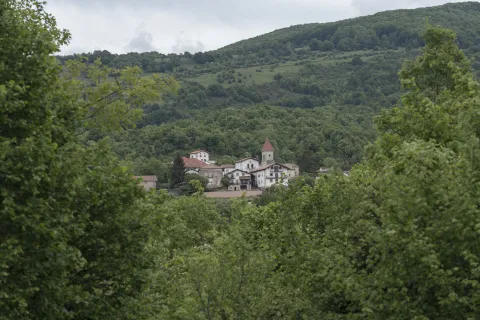
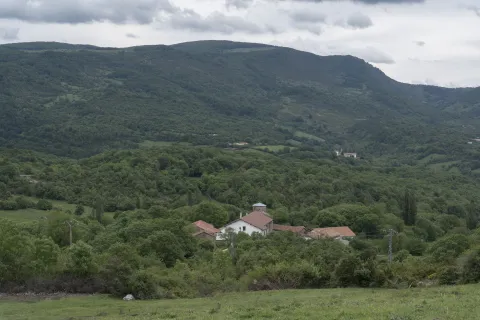
The Labia mountain range opens out onto a plateau where the landscape seems to hold time still. Saragüeta / Saragueta emerges from this pause in the mountains, amidst sweeping views and a calm that is not absence, but permanence. There, the church of San Juan Bautista, the constant murmur of the Fuente del Moro spring and the houses that give the village its structure preserve a memory that lingers. Here, ancient trade routes, the discreet echoes of the post-war era and the unexpected imprint of cinema coexist. Everything is integrated into a single rhythm: slow, continuous and deeply rooted in the land, where one senses the history of Saragüeta / Saragueta.
Nestled in the Navarran Pyrenees, Saragüeta / Saragueta is now home to a small community of around 19 people. This hamlet, whose name suggests a possible ‘place of rockroses’, retains an identity linked both to the natural environment and to the ancient trade routes that once criss-crossed the region. As early as the 14th century, Saragüeta / Saragueta was part of active trade routes, with records of merchants passing through the area transporting oil and tallow to Pamplona. Centuries later, the village added a new chapter to its history by becoming the main setting for the film *Silencio roto* (2000), directed by Montxo Armendáriz. During filming, daily life was temporarily transformed, weaving fiction into the unhurried rhythm of a place that, by nature, remains peaceful.
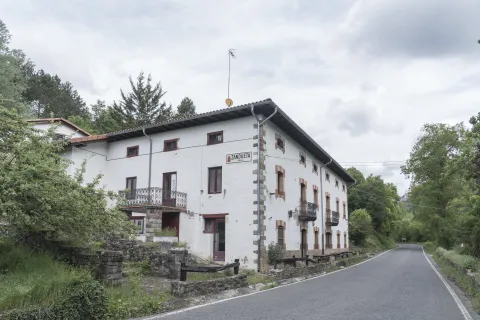
Saragüeta / Saragueta reveals its history through small traces that can be discovered at a leisurely pace.
Resuelve las dudas más habituales sobre los diferentes parques y zonas naturales: cómo llegar, qué visitar, normas, rutas y servicios para planificar tu experiencia con facilidad.
Online
