
Zugarramurdi
The echo of the covens in the heart of Xareta

The echo of the covens in the heart of Xareta
Zugarramurdi is a name that evokes mystery, untamed natural and a history that has captivated the world. Popularly known as ‘The Village of the Witches’, this corner of the Xareta region welcomes you with a landscape of striking greenery and a calm that contrasts with its turbulent past.
Here, the imposing Witches’ Cave, as well as being a geological monument, is the setting where legend and reality intertwine to the sound of the Olabidea stream. It is a destination where every stone house and every wooded path seems to hold a secret waiting to be discovered by the traveller.
Zugarramurdi is a place that captivates your senses. This small town has managed to transform its dark historical legacy into a vibrant present brimming with cultural life. As you stroll through its streets, you’ll be struck by the elegance of its traditional architecture, with sturdy stone-built farmhouses and wooden balconies overlooking the peaks of the Navarrese Pyrenees.
Located a stone’s throw from the French border, Zugarramurdi forms part of the ‘Xareta’ region alongside Urdax, Sara and Ainhoa. It is the perfect retreat for those seeking to escape the hustle and bustle and reconnect with the essence of Baztan-Bidasoa. Here, the warmth of the locals and the beauty of the natural surroundings create a unique atmosphere where magic, more than just a legend, feels like a sensation floating in the air.
Zugarramurdi offers a fascinating journey from the darkness of the Inquisition to the light of its natural landscapes.

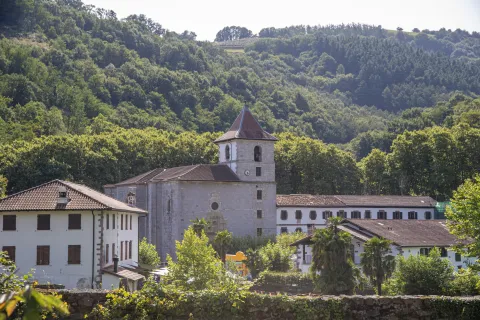
General view of the village of Zugarramurdi, with a cluster of traditional houses and the mountainous surroundings of the valley

Zugarramurdi Church and traditional village architecture

Street view in Zugarramurdi with the church in the background
Resuelve las dudas más habituales sobre los diferentes parques y zonas naturales: cómo llegar, qué visitar, normas, rutas y servicios para planificar tu experiencia con facilidad.
Online
