
Nagore
Memory suspended over the waters of the reservoir

Memory suspended over the waters of the reservoir
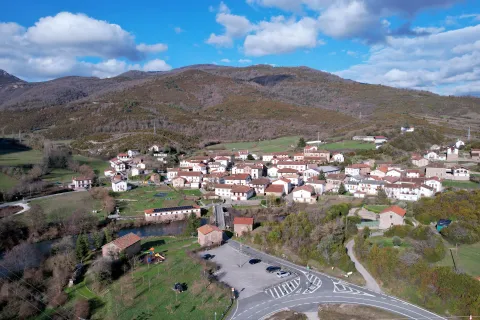
In the heart of the village, where steep slopes meet the reflection of the Itoiz reservoir, the stone speaks of times gone by, of stories buried beneath the water. Nagore stands on a transformed landscape, where modern homes coexist with the vestiges of a distant past, marked by the stonework that still preserves the memory of the old village.
The silence of the Romanesque church, watching over from above, and the invisible presence of the ancient thermal baths beneath the northern ground, bear witness to a history of resilience and transformation. It is a place where daily life goes on in a landscape that blends the stillness of the water with the unyielding pulse of the community.
Nagore, a small municipality in Navarre, lies 35.8 kilometres from Pamplona, embraced by the waters of the Itoiz reservoir. Today, thanks to its 40 inhabitants, the village lives with one foot in the past and the other in the present, in a balance where the traces of history intertwine with the needs of a modern community.
Over the centuries, Nagore has witnessed major transformations. In the Middle Ages, it was a centre for meetings and the custodian of the symbols of the valley’s regiment. But it was the construction of the Itoiz reservoir that reshaped its appearance, displacing the town centre and transforming the landscape. The current homes, with their modern design, incorporate architectural elements recovered from the old farmhouse, creating a harmony between the past and the present, between tradition and innovation.
In Nagore, the Roman past, medieval art and the river landscape merge into a unique experience of history and nature.

Nagore village next to the reservoir with traditional houses and forest in a Pyrenean valley.

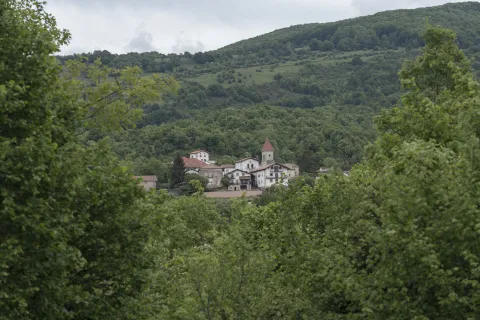
Group of houses in Nagore village with vegetation and wooded mountains around.

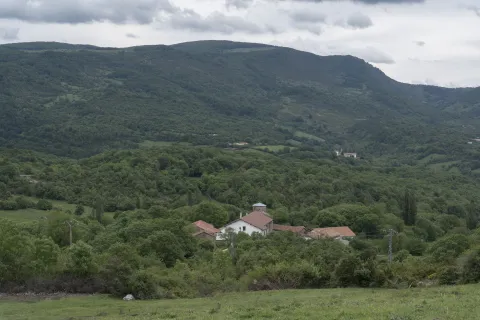
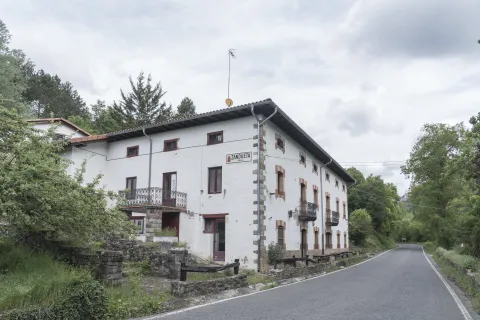
Nagore Palace with a stone tower and bell tower, surrounded by vegetation and wooded mountains.
Resuelve las dudas más habituales sobre los diferentes parques y zonas naturales: cómo llegar, qué visitar, normas, rutas y servicios para planificar tu experiencia con facilidad.
Online
