
Arrieta
The mark of the ashlar amidst the mist and the beech forest

The mark of the ashlar amidst the mist and the beech forest
At almost eight hundred metres, the stone and the forest trace a timeline that unfolds beneath the eternal gaze of Mount Errazugaina-Corona. In the most Pyrenean corner of the Arce Valley , the solidity of San Lorenzo’s ashlar masonry and the memory of the ancient palace dwellers reveal a mineral persistence that intertwines with the murmur of the River Urrobi and the solemn silence of the crags. Here, the ancient paths to Garralda and the memory of our famous txistulari coexist in an atmosphere of tranquillity that safeguards the history of the stone.
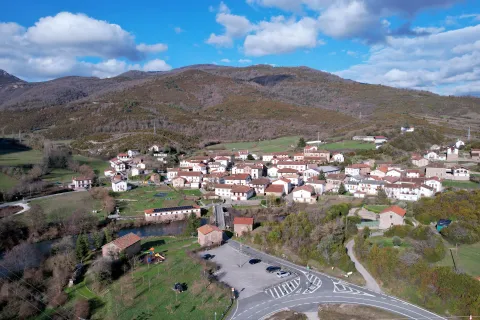
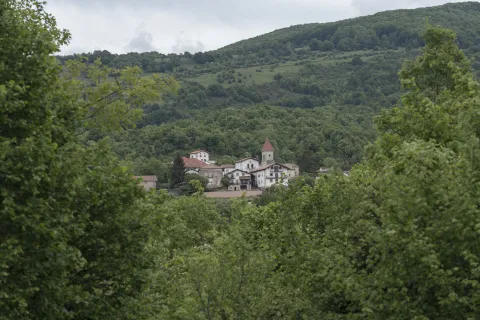
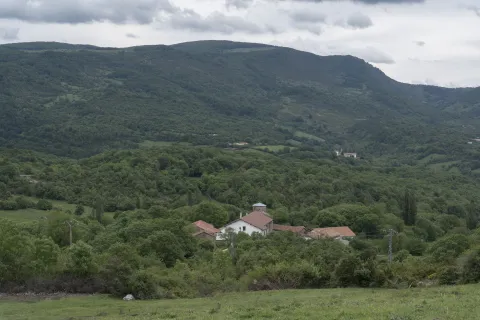
Arrieta stands at the north-western end of the valley, nestled against the slopes of Mount Errazugaina-Corona. Its inhabitants preserve the identity of a Pyrenean mountain in its flora, climate and architectural character.
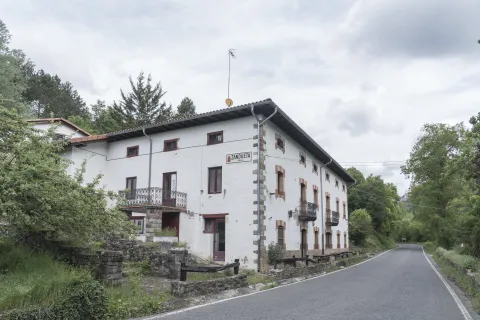
Historically, it was one of the most populated villages in the valley, with over 200 residents in the 19th century, organised under a councilman elected from among the leading households. Today, its ashlar architecture continues to reveal the essence of the Navarrese village and its ancestral community life.
With its church, palace and beech forests, Arrieta offers a journey into the heart of the Pyrenees and its history.

Arrieta square with white stone hamlets, parish church in the background, Navarrese Pyrenean rural architecture.

Stone cloister with arches in Arrieta, Navarrese Pyrenees, views of village and mountain.
Stone cloister with arches in Arrieta, Navarrese Pyrenees, views of village and mountain.
Resuelve las dudas más habituales sobre los diferentes parques y zonas naturales: cómo llegar, qué visitar, normas, rutas y servicios para planificar tu experiencia con facilidad.
Online
